Key Points
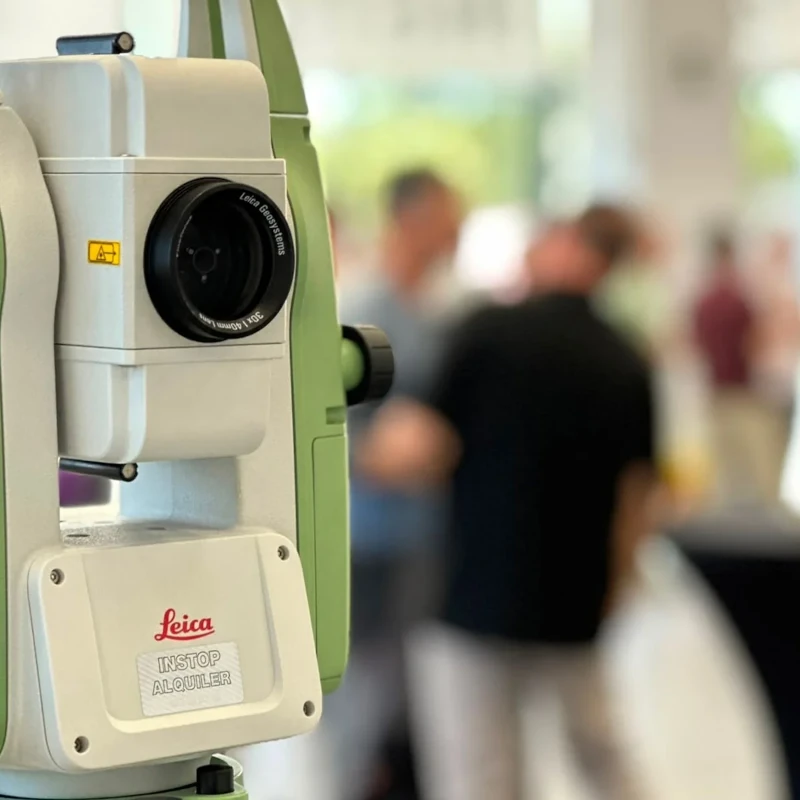
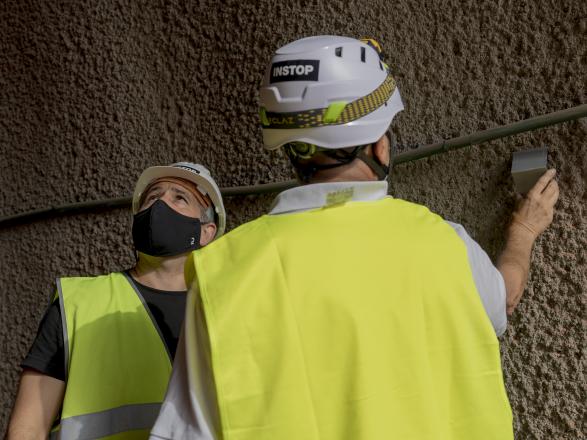
Senceive regional distributor Instop supervised the installation of the monitoring system, which comprised of:
Martorell: 87 ODS sensors, 35 triaxial tilt beam sensors & 9 4-channel VW nodes to extensometers
Costablanca: 99 ODS sensors and 96 triaxial tilt beam sensors
Castelbisbal: 105 ODS sensors
Challenge
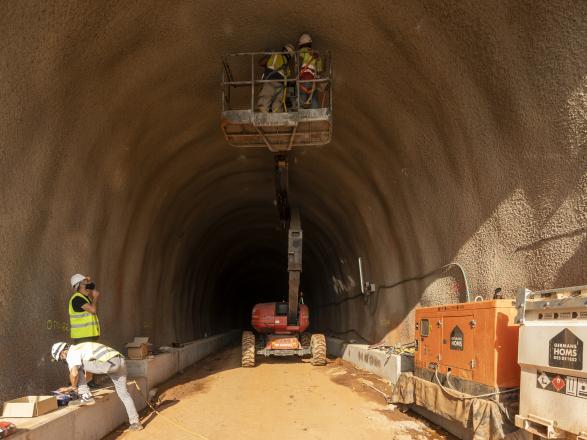
As part of Spain’s ambitious Mediterranean Corridor, a number of disused tunnels were being refurbished. Spanish rail infrastructure operator ADIF appointed main contractor Dragados to upgrade three tunnels including the 810 m track tunnel between Martorell and Castellbisbal. The masonry structure had been disused since the 1980s and required relining with 4,500 cubic metres of sprayed concrete, the construction of overhead line electrification and track lowering.
In order to safeguard the structure and the workforce during the construction work, there was a need for a reliable and accurate monitoring programme, but a conventional approach using optical survey methods was not an option due to the nature of the site:
- No mains power in the tunnel which is at a remote location
- Ongoing construction activity and use of heavy machinery
- Conventional monitoring using automated total station was not possible due to no line of sight
Solution
The construction team required real-time 24/7 movement monitoring. They appointed survey and monitoring experts Instop to provide a Senceive wireless remote monitoring solution.
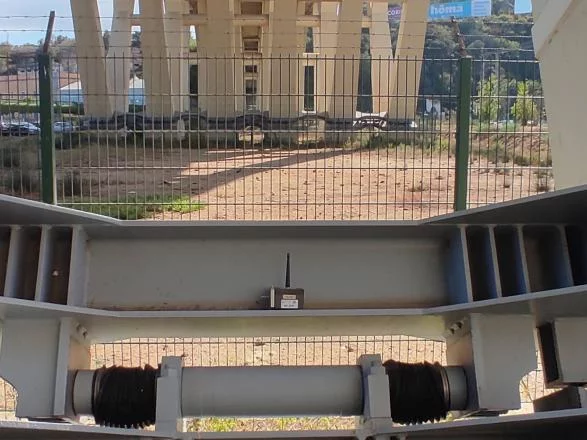
This comprised of a combination of tilt sensors and optical displacement sensors (ODS) to detect rotational movement and convergence.
The ODS method was novel in this application and provides a number of advantages over laser or optical techniques.
Data from the various sensors were transferred from the site via a GeoWAN gateway located outside the tunnel. With no mains electricity available, an advantage over alternative technologies was the ability to power the system using solar panels.
Easily installed by non-specialists, robust enough to last many years without maintenance and with no cables to interfere with other infrastructure, Senceive wireless remote monitoring has proved to be an effective solution.
Outcome
All stakeholders were able to see changes in tunnel cross section from a real-time 24/7 data feed. Construction of the sprayed concrete lining and lowering of the track could therefore continue safely and efficiently with the reassurance provided.
The solution proved highly cost-effective to the client as it was provided on a four month hire basis.
Installations were done in record time at a speed of 4 sections per hour (3 nodes per section) or 100 m/ hour, a complete tunnel in a working day.
Senceive won the 2020 New Civil Engineer Tunnelling Award for Instrumentation and Monitoring for the use of our optical displacement sensor technology on this challenging project.


 +34 93 803 95 76